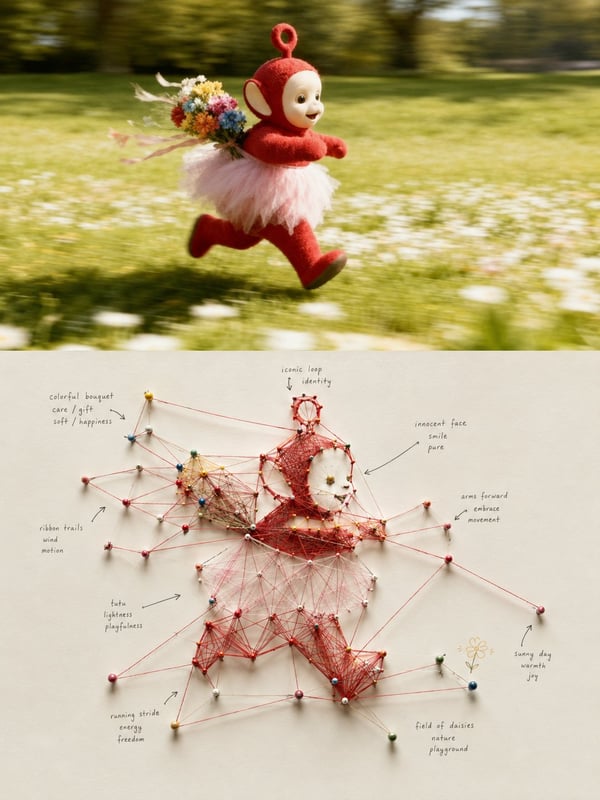
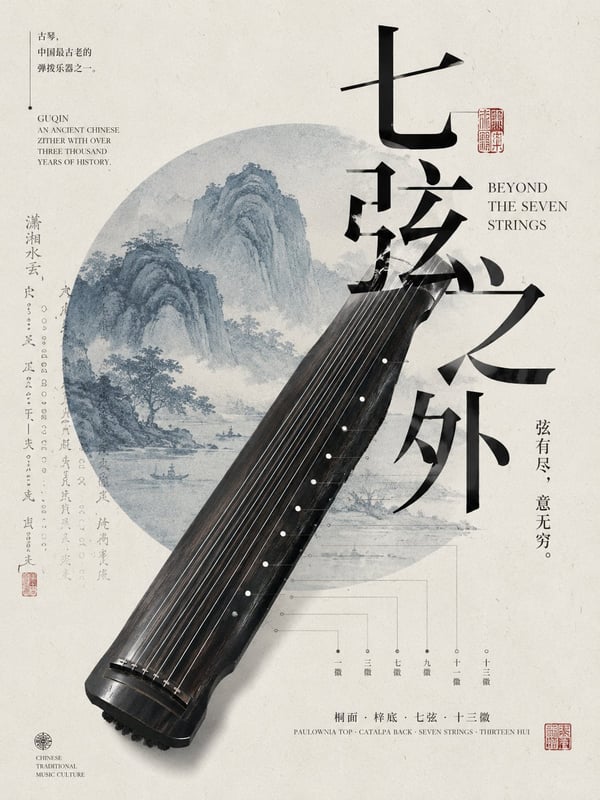
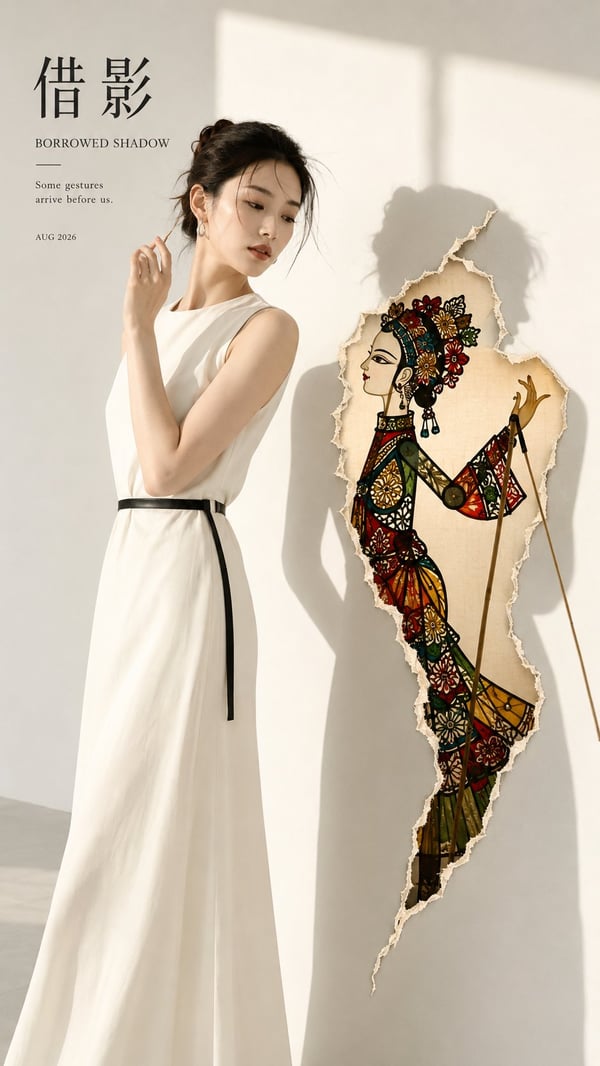
Please turn each uploaded travel photo into an independent premium design poster — output each photo separately, and do not collage different photos or locations in the same work.
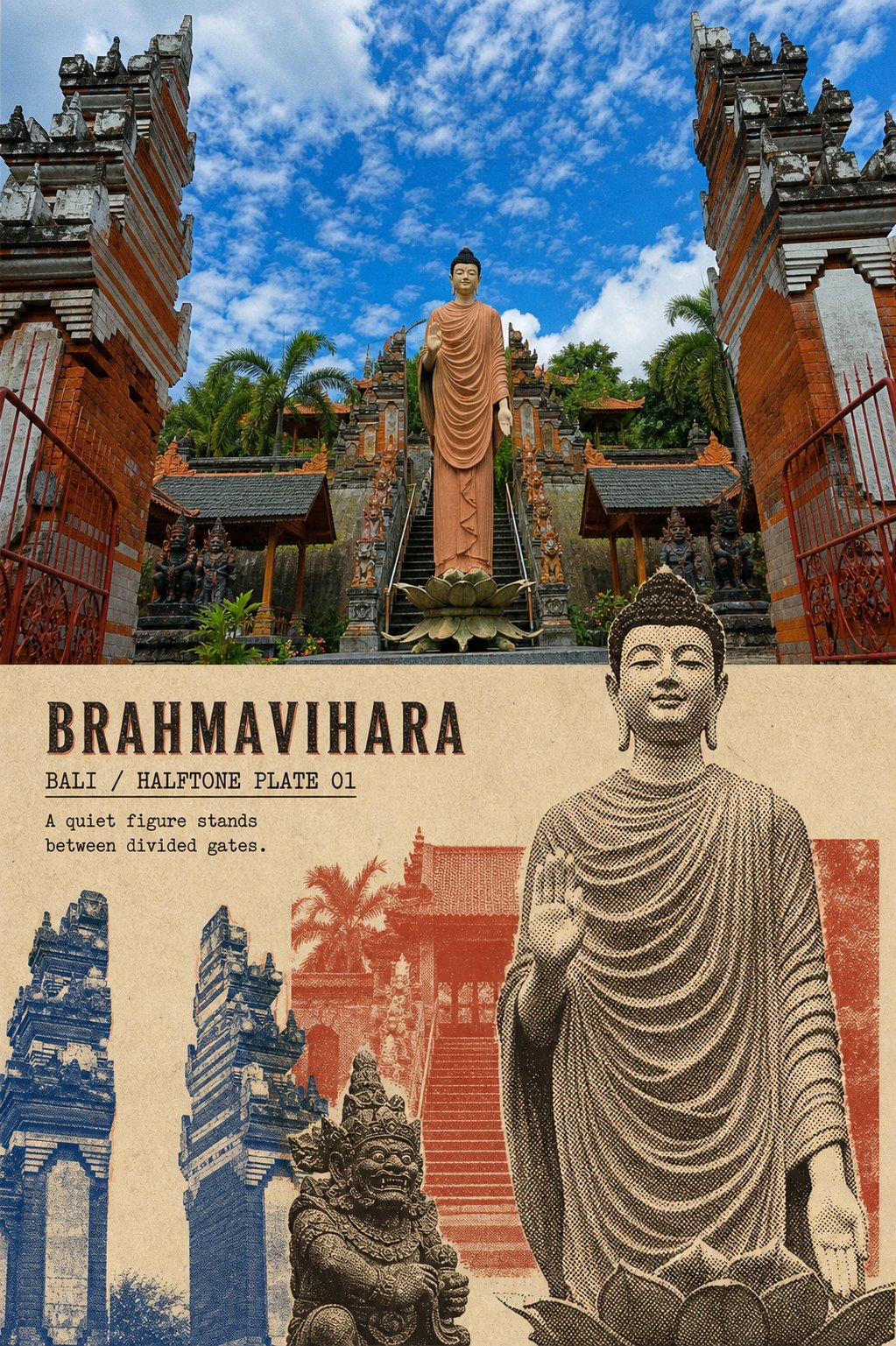
Overall 3:4 vertical composition, formed by a clear contrast between real photography and stylized transfer.
The upper half occupies about 50% of the frame and faithfully preserves the original photo. Accurately keep the subject identity, quantity, pose, architectural structure, terrain relationship, viewing angle, real material, natural light and shadow, and original color atmosphere; only do a slight travel-magazine and art-publication color grade, and add an extremely thin film grain. Do not redraw the photo as an illustration, do not add/remove people, move objects, change architecture, mirror, stretch or distort the subject.
Between the upper and lower regions use a straight, clear, restrained horizontal boundary, and may keep a very narrow warm-paper gap. No gradient, feathering, dissolving or letting the upper/lower elements cross the boundary.
The lower half rebuilds the same photo as a 'retro Asian halftone travel collage'. Extract only 2-4 real, most recognizable elements from this photo, such as landmark buildings, people, Buddha statues, vehicles, boats, rocks, rooftops, plants or roads. Do not add landmarks, people, vehicles or cultural symbols not present in the photo.
Do not redraw following the original photo's complete composition. Actively change subject scale, cropping and spatial relationships: choose one subject to enlarge and boldly crop as the main visual anchor; break the other elements into independent printing plates of varying sizes; allow overlapping, misalignment, running off the frame, or editorial collages that defy photographic perspective; delete complex backgrounds and tiny details; choose 'condensed distillation' or 'full-bleed impact' based on the photo content, do not mechanically apply a fixed template; keep about 30%-40% continuous beige blank paper in the lower half so shapes and text can breathe.
Use warm beige or ivory old paper, clearly showing paper fibers, grain, slight stains and aged feel. The images use black-brown coarse halftone dots, hand-cut edges, partial ink loss, uneven ink coverage and slight color misregistration.
Color palette must be extracted from the original photo and compressed to a limited palette: black-brown as the main halftone printing plate; at most two low-saturation spot colors; may choose cobalt blue, indigo, gray-blue, brick red, terracotta, ochre yellow, or the photo's most recognizable color; keep only one relatively vivid color as the visual emphasis; do not fix all locations to the same red-blue palette.
Text must be determined in advance based on the photo's reliable location and on-screen facts, and enter the lower frame naturally as part of the print medium. Default include: 1. a 1-3 word English location or subject title; 2. a short field such as 'LOCATION / HALFTONE PLATE 01'; 3. one 5-12 word observation sentence describing the truly visible architecture, weather, action or spatial feeling in the photo. The main title uses a clear legible narrow serif, old typeface or vintage publishing font, still recognizable at chat-preview size. Auxiliary text may be smaller but must not shrink into decorative thin lines. Text uses the same ink as the image, with slight ink loss, paper tooth and registration offsets; it must not look like a smooth digital typography layer.
Overall it should look like a page from an old Asian travel publication re-plated, re-cut and re-printed: quiet, restrained, coarse, collectible, while preserving a clear location identity and real travel memory.
Force-avoid: photo filters, redrawing with the same composition top and bottom, mixing multiple locations, pan-Asian cultural symbols, fictional landmarks, dense tourist icons, full-bleed no-negative-space, nine-grid, smooth vector, modern digital gradient, transparent watercolor, thick oil paint, cartoon style, cheap template feel, author name, signature, social account, logo, QR code, watermark, garbled text, fake Chinese, and extra text beyond the prompt.